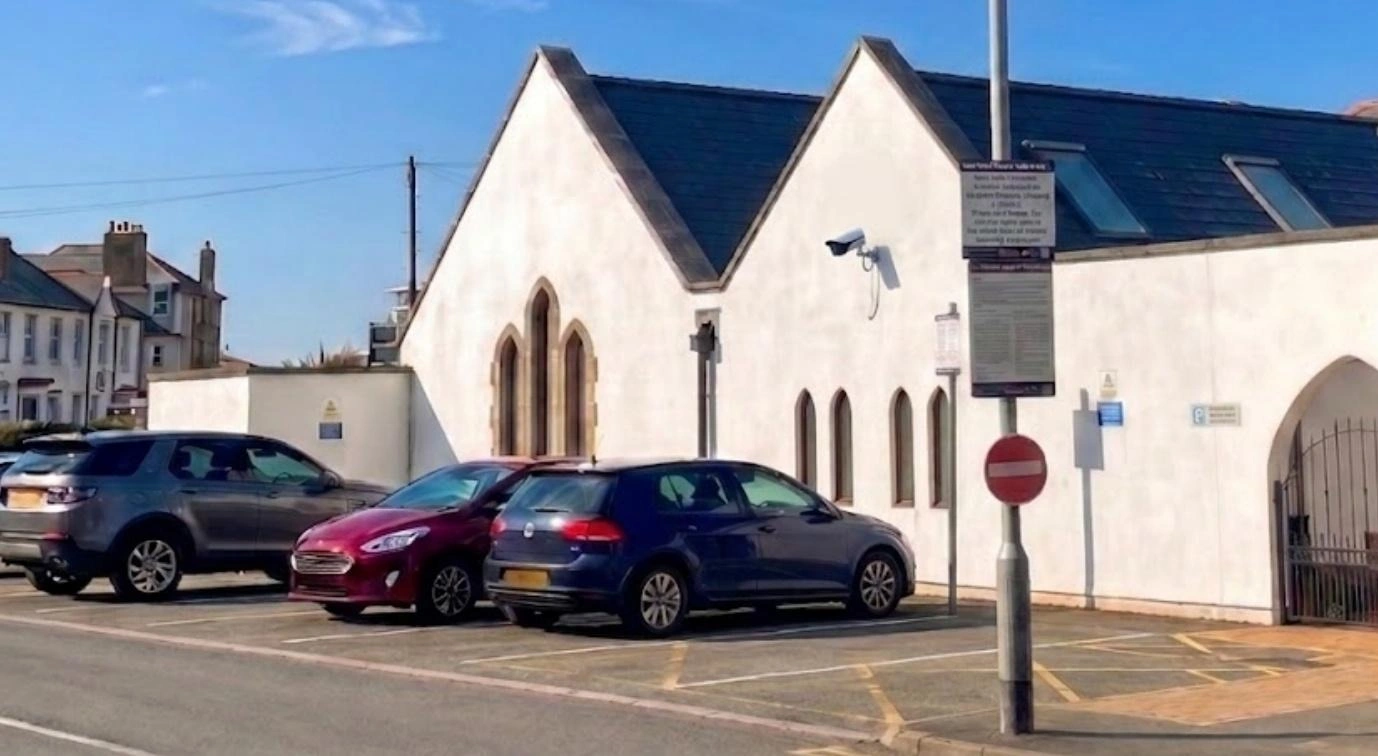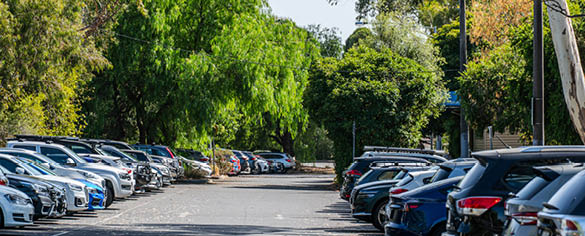


A full car park isn’t always a success story
5 OCT 2026

Summer is often seen as a win for retail and leisure destinations. The sun shines, foot traffic rises, and car parks fill to capacity. On paper, that sounds like success.
But a full car park isn’t always something to celebrate.
In fact, during peak summer weeks, many retail and leisure sites operate at 95–100% occupancy. While those figures may look impressive on a dashboard, they rarely tell the whole story. High occupancy can often mask underlying issues that directly affect customer experience, revenue, and operational performance.
The real question isn’t how full your car park is—it’s who’s using it. Smart Parking has bespoke technology to help you understand what’s actually happening.
Being full doesn’t necessarily mean being productive
A car park operating at maximum capacity can quickly become inefficient if the spaces aren’t being used by genuine customers.
Common summer challenges include:
- Commuters and non-customers occupying bays for extended periods, reducing availability for paying visitors.
- Low vehicle turnover, creating the illusion of strong demand while discouraging new customers from parking.
- Blue Badge bays being misused or absorbed by general traffic as pressure on parking increases.
- Congestion at entrances and exits, leading to frustration before customers even reach your site.
These issues don’t just affect parking—they influence the entire customer journey. If visitors struggle to find a space or face long queues when entering and leaving, they’re more likely to shorten their visit, spend less, or choose another destination altogether. These issues are faced by Smart Parking’s clients every day, and we have found solutions to address them effectively.
Looking beyond occupancy
Occupancy is one of the most commonly reported parking metrics, but on its own it provides limited insight.
A car park that remains 100% full throughout the day may be underperforming if the same vehicles occupy spaces for hours.
Instead, operators should focus on metrics that show how effectively parking supports the site:
- Utilisation – Are parking spaces being used efficiently throughout the day?
- Turnover – How many different visitors are accessing the site using each parking bay?
- Compliance – Are parking policies being followed, ensuring spaces remain available for genuine customers and authorised users?
These indicators provide a much clearer picture of whether a car park is helping or hindering business performance. Smart Parking has developed the Smart Cloud Hub, software that can be provided to clients so they can view their car park’s performance in real time on their own laptop or computer. Business decisions about your parking asset are easier when you have all the information to hand.
Parking is part of the customer experience
Parking is often a visitor’s first interaction with your site. A smooth arrival sets the tone for a positive visit, while congestion and unavailable spaces create frustration before customers even step through the door.
For retail parks, shopping centres and leisure destinations, effective parking management isn’t just about maximising occupancy—it’s about ensuring the right visitors have access at the right time.
When managed well, parking becomes an enabler of customer satisfaction, longer dwell time, and stronger commercial performance.
The question every site should be asking
As peak summer demand continues, site managers should look beyond headline occupancy figures.
Rather than asking:
“Is our car park full?”
Ask:
“Is our car park full of the right people?”
Ultimately, occupancy is just one metric. Turnover and compliance are the performance metrics that truly determine whether your parking operation supports your business—or holds it back. Smart Parking can partner with you to ensure your customers are happy and always have a parking space. Talk to a friendly team member with any questions.